Reader · How to follow esports
How to follow competitive esports.
A short reader primer — three things that don't change, how to read a bracket, a patch, and a roster, and how to watch a series. Written for newer fans.
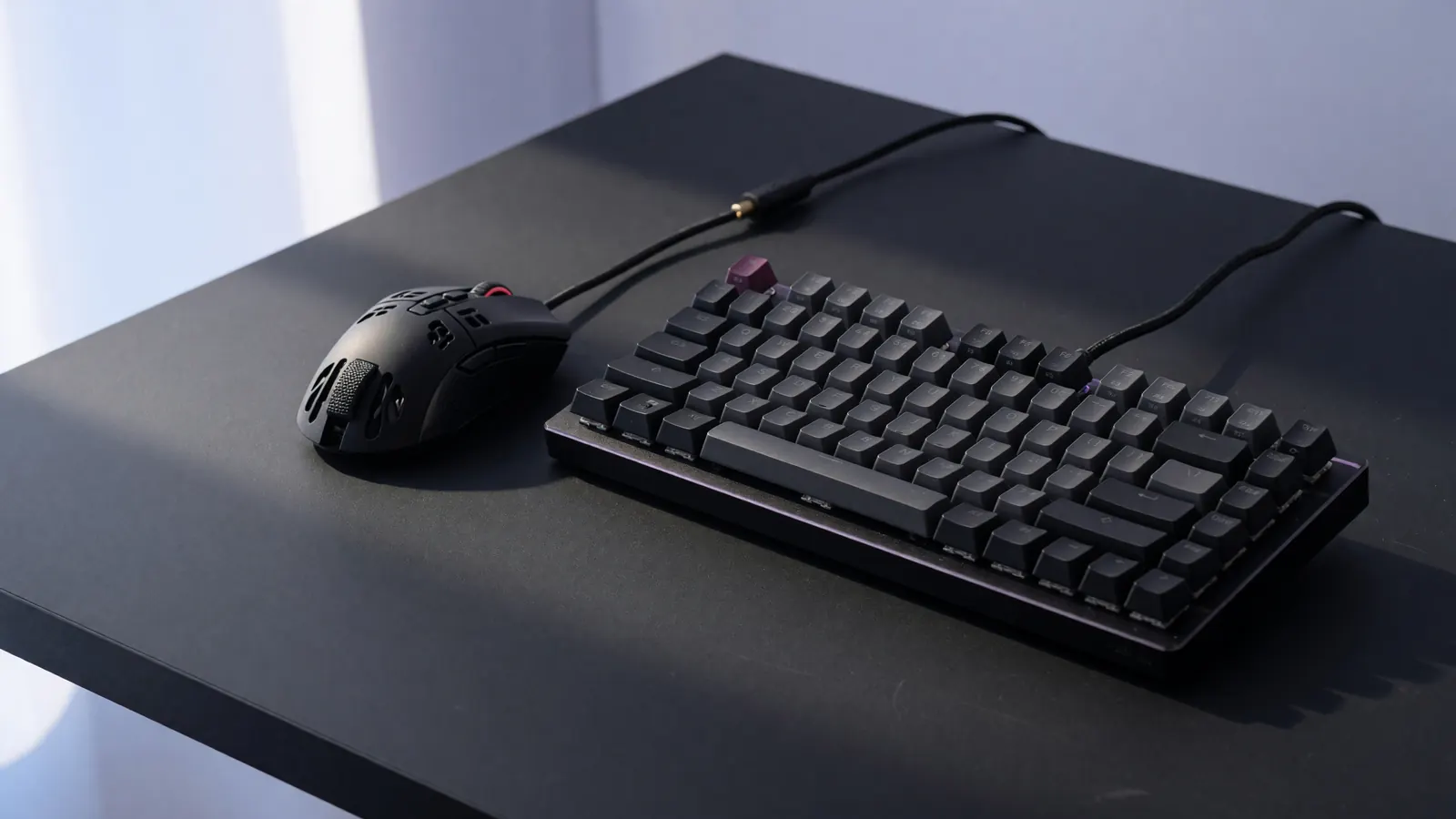
How to follow competitive esports
Following competitive esports is closer to following a traditional sport than it is to following a video game. Tournaments run on a calendar, teams have rosters that change, and the meta shifts every patch. The reading skills transfer across titles; the gameplay details do not.
Three things that don't change
First, every competitive title has a season. The season has a calendar: qualifiers, group stage, bracket, finals. The calendar is published weeks in advance. Bookmark it.
Second, every team has a roster. Rosters change — sometimes between seasons, sometimes mid-season. The desk tracks every confirmed move. Check the team page before a tournament to see who's playing.
Third, every title has a patch. Patches drop every four to eight weeks. They change the meta in small ways (number tweaks) and large ways (mechanic reworks). The desk publishes a primer within 48 hours of every drop.
How to read a bracket
Reading a bracket is the first skill. A bracket is the schedule: every team in one position, every match in a round. Single-elimination: one loss and you're out. Double-elimination: one loss drops you to the lower bracket, where every match is elimination until you climb back.
Watch the three rounds that matter: the first (sets the storyline), the semifinals (decides who plays tired), and the final. The rounds in between matter for seeding but rarely decide the title.
How to read a patch
A patch note is a contract between the studio and the meta. Number changes of 0.05 are small; number changes of 0.20 are re-designs; new mechanics are new seasons. The desk's tier list refreshes within a week of each patch.
How to read a roster
Five roles on most competitive teams: duelist (first into a fight), IGL (in-game leader, calls macro strategy), support (trades with the duelist, holds map control), flex (rotates roles by map), and a fifth role that varies by title. The desk's player profiles cover each role's mechanics.
How to watch a series
Two screens if you have them — one for the broadcast, one for the bracket and stats overlay. Headphones, not speakers. The pre-show (30 minutes before tip-off) sets the storyline; the post-match vod (within hours of the final whistle) refreshes it.
How to follow Zino
The home page carries today's match index. The tournament page covers the bracket and schedule. The team page tracks form. The player page tracks profiles. The guides page explains the basics; the news feed carries the desk's recent reports. Add the RSS feed at /feed/ for a low-noise way to stay current.
Quick answers
Do I need to know the game to follow a tournament?
No. The desk covers the bracket, the form, the storyline, and the meta. You don't need to have played the game to follow a series.
Where do I start?
Pick a flagship tournament from the tournament page. Read the bracket primer in the guides. Watch a single series with the desk's pre-show notes open in another tab.
How do I keep up with patches?
The desk publishes a primer within 48 hours of every drop. The news feed carries the latest; the guides page collects the archive.
Is there an RSS feed?
Yes, at /feed/. We do not run an email newsletter at this time.


Zino is an editorial desk.
We cover brackets and team form because the season is worth following — not because there's a bet to place. If you choose to use the PLAY NOW route, set a budget, set a timer, and stop when either runs out.
Where to get help
National Council on Problem Gambling (US): 1-800-522-4700 · GamCare (UK): 0808-8020-133 · BeGambleAware (EU): begambleaware.org · Gamblers Anonymous: ga.org
Read the responsible-play page